
TOP 10 Fitness Apps in USA for 2026
Clean Budget-Friendly Recipes
She has a Bachelor of Science degree and years of working in food sciences, specializing in organic & natural products. She is committed to helping others embrace a balanced, natural lifestyle that fosters well-being. Jenny believes that a harmonious balance between nutrition, fitness, and mindfulness is the key to unlocking the full potential of one’s well-being.
Eating Clean On A Budget for Beginners
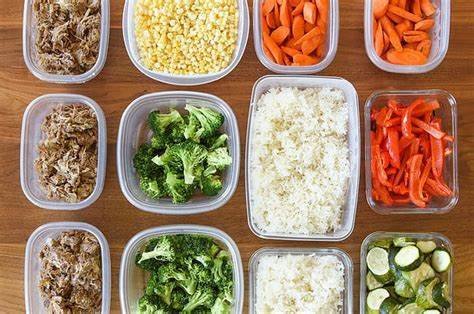
This method offers maximum flexibility—you combine these prepped ingredients in different ways throughout the week. Plant-based protein sources are generally more cost-effective compared to animal proteins like meat and dairy products. You can significantly lower your grocery expenses by reducing your reliance on these items and embracing plant-based proteins like beans, lentils, tofu, and tempeh. Store price comparison is a valuable strategy that can significantly help save money on groceries. This tip can be very beneficial if you are clean eating on a budget.
Leverage these steps for eating clean on a budget meal plan today!
Be sure to read our post 4 Simple Healthy School Lunches for more ideas. Buy nuts and seeds from bulk bins to get only the amount you need and avoid stale leftovers. Natural nut butters with nothing but nuts and salt make quick toast toppers and sauce bases.
Shopping for Clean Eating Foods on a Budget
Keeping frozen or canned produce on hand makes it easier to eat well without overspending. You can use them in many different meals, so they won’t go to waste. A well-stocked pantry helps you avoid expensive last-minute grocery trips. Maybe you’re looking to shed a few pounds, increase your energy, or simply feel better in your own skin.
The following day costs approximately $5-6 total unimeal app for nutritionally complete, satisfying eating. Canned goods require more selectivity but offer tremendous value for certain items. Canned beans at $0.80-$1.20 per can provide convenience that dried beans lack, already cooked and ready to use. Canned wild salmon provides omega-3 fatty acids at roughly half the cost of fresh salmon. The concerns about BPA in can linings have led most manufacturers to switch to BPA-free alternatives, though verifying this on labels is worthwhile. The key practice is comparing ingredient lists rather than brand names.
Plan meals in advance and create a shopping list
Sugary drinks like soda and juice add up quickly to a grocery budget. Choosing water instead saves money and is much healthier. Reusable water bottles make it easy to drink more water without buying bottled drinks. Choosing store brands helps stretch your grocery budget without sacrificing taste or nutrition.
How to Start Eating Healthy?
Buying whole heads of broccoli or bunches of carrots usually costs less than pre-trimmed versions. Keep tender greens toward the top of the fridge and use them early in the week to avoid spoilage. Buying frozen fruits and vegetables can be a great money saving option. Frozen foods usually have a longer shelf life and this makes them cheaper than their fresh counterparts. Incorporating two meatless days weekly can reduce protein costs by 40% while improving overall nutrition through added fiber.
As you eliminate these items, replace them with whole, unprocessed options. Think swapping that bag of chips for a handful of almonds or that sugary soda for a refreshing glass of water with lemon. It’s payday, and you know what that means—time to pay some bills.
Plan the week ahead and shop using a list
Generally, you can feed a family of four for the same price as buying food for one or two people at a restaurant. When it comes to saving money at the grocery store, planning ahead is essential. Some online retailers focus exclusively on nutritious and unprocessed foods. Buying as much as you can from these types of retailers can save you money.
Ever thought about cleaning up your diet but worry about the price tags on all that healthy food? Your store will be able to help point you in the direction of in-season items. If your grocery shopping in the summer, look for fruits and vegetables that are in season. According to Harvard School of Public Health, it can costs $550 more to opt for fish, vegetables, fruits and nuts instead of processed foods and refined grains. Eat healthy, feel satisfied and lose weight – all for $10 a day or less.
Get Ready for Success through Meal Planning and Preparation
Buying fruits and vegetables in season is one of the easiest ways to save money on groceries. Seasonal produce is often cheaper because there’s more of it available, lowering the cost. It also tends to be fresher and taste better since it hasn’t been stored or shipped long distances. Planning meals before grocery shopping helps avoid impulse buys and wasted food.
Choose Whole Foods Over Processed Options
I used to walk around the store with a calculator to make sure that I was staying on budget with my list. This 6th season of the MOMables Podcast is all about helping you live a healthier lifestyle as a family. It’s about making thoughtful, intentional choices that align with your health goals. Clean eating is easier and more enjoyable with support from friends, family, or like-minded communities. Sustainability means choosing ingredients that are accessible, versatile, and easy to prepare.
Luckily, there are a wealth of DIY recipes that can one-up any pre-packaged product. And while embracing DIY might require a little more effort in the kitchen, the health and financial benefits are well worth it. In addition to bulk stores, scout out healthy, international grocery or smaller grocery stores to compare prices and products.
- I was like okay, I’ve got a kid who will eat cauliflower rice, but my other two sons are like “no way!
- Frozen fruits and vegetables under store brands retain the same nutritional quality as name brands, which is to say excellent quality.
- By planning meals in advance, you avoid resorting to unhealthy fast foods.
- If weight loss is your focus, you’re creating a portion control system—each container becomes a boundary that aligns with your calorie goals.
- Eating clean will help you stock up on vitamins and give your organs a break from processing all those processed foods.
- You buy a share of a farmer’s produce for the year and end up with a box of assorted fruits and vegetables throughout the growing season.
How to Create a Mindful Morning Routine for a Productive Day
For this coming week, plan to only spend $50 on groceries. That other $50 can grow into savings or be put toward new gym shoes. Cutting back on groceries isn’t an option, you need the fuel. That said, the reality for many of us is that spending that much on food isn’t sustainable. With the right plan and the right discipline, you can get seriously shredded in just 28 days. Place oats and almond milk in a small mason jar https://patient.info/features/diet-and-nutrition/what-is-clean-eating-and-how-can-you-start in the frig overnight.
Opt to make things like protein muffins or a potato crust quiche instead of pre made snacks/breakfasts. Not only will you save $$ – you’ll also feel better about what you’re eating. I buy everything I can in bulk- produce, household items, and more!
