
bating9
Understanding Forex Currency Trading Brokers 1692191844

In the world of finance, forex currency trading broker protradinguae.com is often a term that surfaces when discussing currency trading. Forex, or the foreign exchange market, is the largest financial market in the world, surpassing even the stock market by a significant margin. It allows for the trading of currencies and is accessed through Forex brokers, who play a crucial role in this marketplace. Understanding what Forex brokers are, how they operate, and selecting the right one for your trading needs can greatly enhance your trading experience and success in this dynamic field.
What is a Forex Broker?
A Forex broker is an intermediary between retail traders and the currency exchange market. They provide traders with access to trading platforms, where they can buy and sell foreign currencies. Forex brokers earn money through spreads (the difference between the bid and ask prices) or commissions for the trades executed on their platforms. They can be classified into several types, including market makers, STP (Straight Through Processing) brokers, ECN (Electronic Communication Network) brokers, and hybrid brokers, each offering different advantages and disadvantages.
Types of Forex Brokers
Market Makers
Market makers are brokers that create a market for their clients. They provide liquidity by holding a certain amount of currency on their own accounts and quoting prices that clients can trade against. While they can offer fixed spreads and the security of being a counterparty to each trade, their main downside is potential conflicts of interest; since they profit from the losses of their clients.
STP Brokers
STP brokers route orders directly to the liquidity providers, which means they act as intermediaries without dealing against their clients. This leads to more competitive spreads, but it can also mean variable spreads depending on market conditions. STP brokers typically charge a commission per trade.
ECN Brokers
ECN brokers offer a direct connection between traders and liquidity providers. They’re known for providing very tight spreads, as they gather price quotes from various sources. Traders can benefit from transparency, but ECN brokers often charge higher commissions and require a higher minimum deposit compared to market makers.
Hybrid Brokers
Hybrid brokers combine features of both market makers and ECN brokers. They provide the flexibility of both fixed spreads and variable spreads, depending on market conditions. This gives traders the option of choosing a model that fits their trading strategy.
Choosing the Right Forex Broker
Selecting the right Forex broker is vital for a successful trading experience. Here are some factors to consider:
Regulation
Make sure the broker is regulated by a reputable financial authority (such as the FCA in the UK, ASIC in Australia, or CFTC in the USA). Regulation protects traders, ensuring that brokers adhere to strict standards of conduct.
Trading Platform
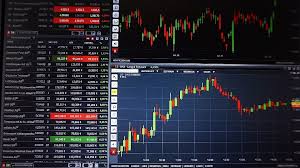
The trading platform is where you will make trades, monitor your account, and analyze market trends. Look for a user-friendly interface with essential trading tools, charting capabilities, and mobile access. Popular platforms include MetaTrader 4 and MetaTrader 5.
Account Types
Many brokers offer different account types with varying features, spreads, and leverage options. Consider what aligns best with your trading style, whether you’re a beginner or an experienced trader.
Customer Service
Efficient customer support is crucial, especially if you encounter technical issues or have questions about your account. Assess the availability of support channels (live chat, email, phone) and how prompt they are in responding.
Fees and Spreads
Understand the fee structure of the broker, including spreads, commissions, and any additional fees such as withdrawal or inactivity fees. Ensure that the overall cost of trading is acceptable to your trading strategy.
Common Forex Trading Strategies
After choosing a broker, developing a trading strategy is essential. Here are some commonly used strategies:
Day Trading
Day trading involves executing multiple trades within a single trading day, aiming to capitalize on short-term market movements. This requires a thorough understanding of market trends and immediate reaction times.
Swing Trading
Swing traders hold positions for several days or weeks, aiming to take advantage of anticipated price movements. This strategy benefits from technical analysis and allows traders to ride out short-term fluctuations.
Scalping
Scalping is a highly active trading style where traders make numerous small trades throughout the day, seeking to profit from minor price changes. This strategy demands quick decision-making and a solid risk management plan.
Conclusion
Forex trading can be lucrative, but it requires a solid understanding of the market, the function of brokers, and the strategies that suit your trading style. By selecting a reputable Forex broker, understanding their offerings, and developing a well-thought-out trading strategy, you set yourself up for potential success in this exciting, fast-paced market. Always remember to educate yourself continuously and adapt to changing market conditions for the best trading outcomes.
